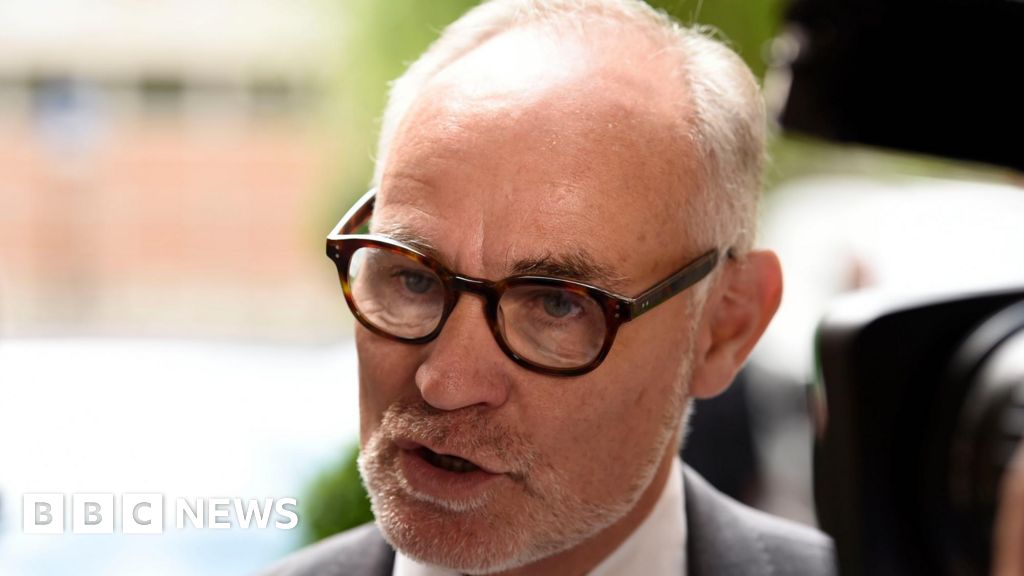
Former MP Crispin Blunt Charged: Navigating Class A & B Drug Offences
The recent charges against former British Member of Parliament, Crispin Blunt, have cast a spotlight on the serious nature of drug offences within the UK legal system. Accused of one count of possessing a controlled Class A drug and three counts of possessing controlled Class B drugs, Blunt's case brings into sharp focus the distinctions between different drug classifications and the potential legal repercussions. This high-profile development underscores that no individual is above the law, and serves as a timely reminder of the strict regulations governing controlled substances in the United Kingdom.
The news, announced by the Crown Prosecution Service (CPS), confirmed that Crispin Blunt, 65, is set to appear in court on March 25th. The charges followed an incident in October 2023, when police officers visited his home in connection with a separate matter. Blunt, a Conservative MP who served for over 25 years before deciding to stand down at the upcoming July 2024 election, now faces a complex legal journey that highlights the intricacies of UK Drug Offence Penalties: Possession, Supply, Fines, & Prison Time.
The Charges Against Crispin Blunt: A Closer Look at Blunt Drug Offences
According to Malcolm McHaffie, Head of the CPS Special Crime Division, the decision was made to charge Crispin Blunt with four specific drug offences. These comprise:
- One count of possessing a controlled drug of Class A: This is the most serious category under UK drug legislation, carrying the harshest penalties.
- Three counts of possessing a controlled drug of Class B: While less severe than Class A, these still constitute significant criminal offences with substantial consequences.
The circumstances leading to these blunt drug offences originated from a police visit to his residence in October 2023. While the initial reason for the police presence has not been publicly detailed, it was during this visit that the alleged drug offences came to light, leading to a subsequent investigation and the formal charges brought forth by the CPS. The role of the CPS is critical in such cases, as they are responsible for prosecuting criminal cases investigated by the police in England and Wales, determining whether there is sufficient evidence and if a prosecution is in the public interest.
Demystifying UK Drug Offences: Class A vs. Class B
To fully understand the gravity of the charges against Crispin Blunt, it's essential to grasp the UK's drug classification system and the legal framework surrounding controlled substances. The Misuse of Drugs Act 1971 categorises drugs into three classes – A, B, and C – based on their perceived harm, with Class A being the most dangerous and Class C the least. Possessing, supplying, producing, or importing any controlled drug is a criminal offence, with penalties varying significantly depending on the class of drug, the quantity involved, and the nature of the offence (e.g., possession versus possession with intent to supply).
Understanding Class A Drugs
Class A drugs are considered the most dangerous and harmful substances, carrying the most severe penalties. Examples include:
- Cocaine (including crack cocaine)
- Heroin
- Ecstasy (MDMA)
- LSD
- Methamphetamine (crystal meth)
- Magic mushrooms (psilocybin)
Possession of a Class A drug can lead to a maximum penalty of up to 7 years in prison, an unlimited fine, or both. For possession with intent to supply, the maximum penalty can be life imprisonment, an unlimited fine, or both. The legal system takes a very dim view of these substances due to their high potential for addiction and severe health and social harms.
Understanding Class B Drugs
Class B drugs are deemed less harmful than Class A but still pose significant risks and are subject to stringent legal controls. Common examples include:
- Cannabis and cannabis resin
- Amphetamines (speed)
- Barbiturates
- Codeine (certain preparations)
For simple possession of a Class B drug, an individual can face up to 5 years in prison, an unlimited fine, or both. If the offence involves possession with intent to supply Class B drugs, the maximum penalty increases significantly to 14 years in prison, an unlimited fine, or both. While penalties are less severe than for Class A, they are by no means lenient, reflecting the ongoing concern about the impact of these drugs on individuals and society.
Navigating the Legal Landscape: Penalties and Caution Schemes
The judicial process for drug offences in the UK is multifaceted, involving considerations of the specific drug class, quantity, context, and the individual's criminal history. Cases can be dealt with in various ways, from summary conviction in a Magistrates' Court to conviction on indictment in a Crown Court, the latter typically for more serious offences or where the defendant chooses to be tried by a jury.
For less serious offences, particularly involving Class B drugs like cannabis, and for first-time offenders, the Adult Cautioning Scheme in the UK may be applicable. Under this scheme, instead of prosecution, an individual might receive an official police caution. This avoids a criminal record but is still a formal acknowledgment of wrongdoing. Factors considered for a caution include the type, quantity, and value of the drug, and whether the offence truly amounts to simple personal possession without intent to distribute. However, it's important to note that a caution is generally not an option for Class A drug offences due to their severity.
When cases proceed to court, the penalties can range from substantial fines to significant prison sentences. For repeat offenders, especially those convicted of a third or subsequent offence, the courts are likely to impose harsher sentences, including custodial terms. The judiciary considers a wide array of factors when determining a sentence, including the offender's personal circumstances, any mitigating factors, and the overall impact of the offence.
For more detailed information on specific penalties for different classes of drugs and offences in the UK, refer to our comprehensive guide: UK Drug Offence Penalties: Possession, Supply, Fines, & Prison Time. The possibility of caution schemes and how the legal process unfolds for various drug charges is further explored in: Navigating UK Drug Charges: Class A, B Penalties & Caution Scheme.
Broader Implications and Expert Insight
The charges against a public figure like Crispin Blunt carry significant broader implications, not only for the individual involved but also for public perception and political discourse. Such cases often lead to intense media scrutiny and can severely damage reputations, regardless of the eventual court outcome. It serves as a stark reminder that even those in positions of power and influence are subject to the same laws as any other citizen.
From a legal perspective, individuals facing drug charges, especially those involving Class A substances, should immediately seek expert legal counsel. Navigating the complexities of drug legislation, understanding one's rights, and building a robust defence requires specialized knowledge. Legal professionals can advise on potential defences, the implications of pleas, and the nuances of sentencing guidelines, offering crucial support through what can be an incredibly stressful and life-altering experience.
Key Takeaways for Anyone Facing Drug Charges:
- Seek Immediate Legal Advice: Do not delay in consulting with a solicitor specialising in criminal defence, particularly drug offences.
- Understand Your Rights: Be aware of your rights during police questioning and arrest. You have the right to remain silent and to have legal representation.
- Do Not Obstruct Justice: Cooperate with legitimate police requests but always do so under legal guidance.
- Consequences Extend Beyond Court: A drug conviction can have long-lasting effects on employment, travel, and personal relationships.
This case involving blunt drug offences highlights the critical importance of adhering to drug laws and understanding their severe consequences. The legal system is designed to address the harm associated with controlled substances, and its application is universal.
Conclusion
The charges brought against former MP Crispin Blunt for possessing Class A and Class B controlled drugs underscore the seriousness with which the UK legal system treats such offences. As his court appearance approaches, the case serves as a powerful reminder of the robust legal framework governing controlled substances in the United Kingdom and the substantial penalties associated with their misuse. It reaffirms that drug laws apply to all, irrespective of social standing or public profile, and reinforces the need for all citizens to be aware of and comply with these regulations to avoid severe legal and personal repercussions. The outcome of this high-profile case will undoubtedly be closely watched as it progresses through the judicial system.